Pelle Pince, quando la vite custodisce il tempo
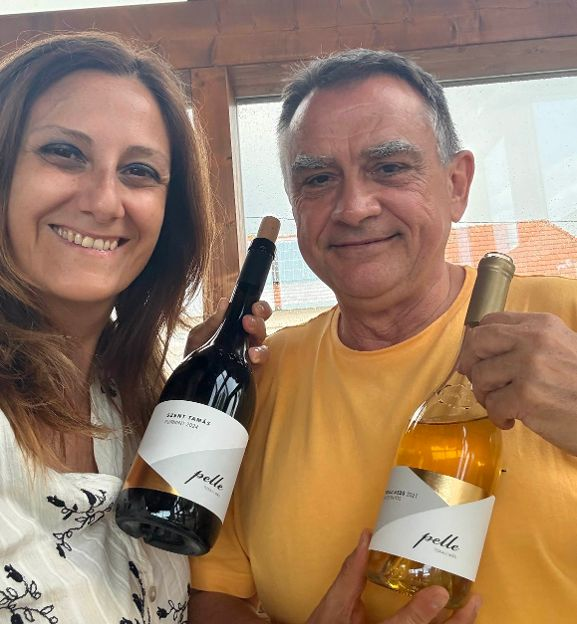
Il vino possiede una forma singolare di memoria. Non ricorda, ma conserva. Una vite che affonda le radici nello stesso suolo da settantacinque anni non conosce il proprio passato, eppure ne è la conseguenza vivente. A Mád, nella cantina di László Pelle, l’età delle vigne ritorna quasi come un’unità di misura. Sessantacinque anni nel Szent Tamás, settantacinque nel Betsek, sessantacinque nel Makovicza. Numeri che raccontano continuità e profondità e suggeriscono una domanda: quanto del carattere di Tokaj appartiene all’uomo e quanto è nella terra?
A Tokaj il dűlő non è soltanto una porzione di vigneto delimitata sulla carta. È un luogo al quale il tempo ha dato un nome e gli uomini, vendemmia dopo vendemmia, hanno riconosciuto un’identità. Cambiano le esposizioni, i suoli, l’età delle piante; cambiano Furmint e Hárslevelű. E quella che potrebbe sembrare una successione di dati tecnici diventa nel bicchiere una geografia da percorrere.
Pelle Pince si trova a Mád. La cantina è curata, piacevole, con qualche dettaglio capace di sottrarre il vino alla liturgia che troppo spesso gli costruiamo intorno. Tre grandi orsi destinati ai bambini finiscono così, con una bottiglia sistemata tra le zampe, per trasformarsi in improbabili custodi di Tokaj. Perché anche il vino, ogni tanto, può permettersi di non prendersi troppo sul serio.
Ad aprire la degustazione è il Tokaji Pezsgő Brut Nature 2020. Dalle nuance paglierino, offre un sorso fresco e di immediata beva. La piacevolezza si accompagna a una sapidità decisa e soprattutto a un’acidità affilata, capace di ripulire la bocca e chiamare un nuovo sorso. Sarebbe quasi mortificante relegarlo al consueto aperitivo. Meglio osare con una mozzarella in carrozza con acciuga: la grassezza della frittura e del formaggio trova nella freschezza del vino il contrappunto necessario, mentre la sapidità dell’acciuga incontra quella del Pezsgő.
Con il Szent Tamás Furmint 2024 comincia il viaggio nelle vecchie vigne. Sessantacinque anni. Pelle torna più volte su questo dato e progressivamente si comprende quanto l’età delle piante costituisca una delle chiavi con cui leggere questi vini. Il Furmint si esprime attraverso note agrumate e speziate, alle quali si accompagna una mineralità evidente. L’acidità torna con decisione e conferisce al vino una fisionomia tesa, quasi nervosa. Non indulge nella morbidezza, procede diritto e lascia una sensazione di energia che accompagna il sorso fino alla fine.
Con il Betsek 2021 qualcosa cambia. Le vigne hanno settantacinque anni e al Furmint si affianca l’Hárslevelű. La frutta si fa più gialla e matura, la freschezza meno irruente; compare una sensazione più dolce e il vino acquista morbidezza senza perdere quella base minerale che ritorna, quasi come una firma del territorio, durante la degustazione. Se il Szent Tamás procede diritto, il Betsek preferisce le curve: è più avvolgente, morbido, sinuoso.
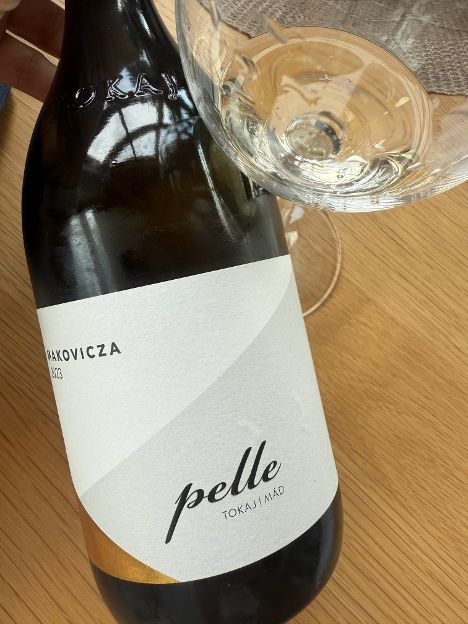
Il Makovicza 2023 porta nel bicchiere l’Hárslevelű da vigne di sessantacinque anni. È ancora un cambio di voce. Il vino è morbido, agile, di piacevolissima beva. Ha un carattere più gentile e mostra quanto l’Hárslevelű sappia interpretare il territorio tramite un registro differente rispetto alla tensione del Furmint.
È a questo punto che quei numeri ripetuti all’inizio cominciano ad avere un senso diverso.
Sessantacinque anni. Settantacinque. Poi ancora sessantacinque.
Non sono soltanto numeri da annotare su una scheda tecnica, ma il segno di una continuità. Conta ciò che quelle radici riescono ancora a consegnare al frutto e, attraverso il lavoro dell’uomo, al bicchiere. Szent Tamás, Betsek e Makovicza raccontano il tempo della vite in modi differenti. Ed è proprio questa diversità a rendere particolarmente interessante il loro confronto.
Perché l’età di una vite si può scrivere su una scheda. La sua storia deve essere il vino a raccontarla.
Quando Tokaj sceglie la dolcezza
Con la Zsófia Cuvée 2023 cambia il lessico. Furmint, Hárslevelű e Muscat compongono una vendemmia tardiva con 99 g/l di zuccheri residui, ma il numero suggerisce una densità che il sorso sembra voler smentire. Il vino è luminoso, agile, immediato. Si lascia comprendere rapidamente e altrettanto rapidamente invita a essere bevuto.
Ci sono vini che chiedono silenzio e concentrazione e altri che conquistano attraverso l’immediatezza. Zsófia appartiene ai secondi.
Con il Tokaji Szamorodni 2024 si entra invece in uno dei linguaggi che appartengono più profondamente alla storia di Tokaj. I suoi 147 g/l di zuccheri residui potrebbero far pensare a un vino dominato dalla dolcezza. Nel bicchiere accade altro. L’albicocca emerge nitida, matura, ma sotto il frutto continua a muoversi l’acidità, che alleggerisce il sorso e impedisce allo zucchero di diventare protagonista assoluto.
È una delle lezioni più affascinanti che Tokaj continua a impartire: un grande vino dolce vive di equilibrio. La dolcezza dona ampiezza, l’acidità imprime slancio e freschezza. È dal dialogo fra queste due forze che nasce la misura.
Il pensiero greco avrebbe riconosciuto in questo rapporto una forma di harmonía: non l’annullamento degli opposti, ma la loro composizione in un ordine. E in fondo nel bicchiere accade proprio questo: due forze apparentemente contrarie smettono di combattersi e cominciano a sostenersi.
Il viaggio conduce inevitabilmente all’Aszú, il vino che nei secoli ha trasformato Tokaj da territorio vitivinicolo in uno dei luoghi simbolici della storia del vino europeo.
Questa volta, però, Pelle offre qualcosa di particolarmente interessante: la stessa etichetta in due annate, 2019 e 2021. Nei due bicchieri la stessa identità sembra percorrere strade diverse. La mineralità assume sfumature differenti e compare anche una singolare nota idrocarburica, quasi di cherosene, che invita a riportare più volte il naso sul calice. E’ affascinante osservare ciò che il tempo riesce a fare alla stessa etichetta. Il vino non ama le copie perfette. Anche quando l’uomo ripete gesti, vitigni e intenzioni, la natura conserva sempre una propria irripetibilità. Ed è forse qui che risiede una parte del fascino dell’Aszú: nella capacità di custodire un’identità e, contemporaneamente, raccontare ogni vendemmia con una voce diversa.
Ed è allora che la degustazione torna al punto dal quale era cominciata.
Alle vecchie vigne.
Sessantacinque anni. Settantacinque. Poi ancora sessantacinque.
Possiamo contarli, annotarli, raccontarli. Possiamo riconoscervi uno degli elementi identitari di una cantina. Ma sotto la terra le radici continuano il loro lavoro silenzioso, attraversando stagioni che non saranno mai perfettamente uguali a quelle precedenti.
Forse è questo il vero privilegio delle vecchie vigne. Portano con sé qualcosa che nessuna tecnica può fabbricare e nessuna cantina può accelerare: il tempo.
E a Pelle Pince quel tempo non rimane soltanto scritto nell’età delle piante. Passa dal dűlő alla vite, dalla vite all’uva e infine al bicchiere, assumendo ogni volta una forma diversa.
La vite lo conserva. Il vino lo trasforma.
.
Wine possesses a singular form of memory. It does not remember, but it preserves. A vine that has sunk its roots into the same soil for seventy-five years knows nothing of its own past, yet it is the living consequence of it. In Mád, at László Pelle’s winery, the age of the vines recurs almost like a unit of measurement. Sixty-five years in Szent Tamás, seventy-five in Betsek, sixty-five in Makovicza. Numbers that speak of continuity and depth, and suggest a question: how much of Tokaj’s character belongs to man, and how much lies within the land itself?
In Tokaj, a dűlő is not simply a parcel of vineyard marked out on a map. It is a place to which time has given a name and to which, harvest after harvest, people have attributed an identity. Exposures change, soils change, the age of the vines changes; Furmint and Hárslevelű change. And what might appear to be a sequence of technical data becomes, in the glass, a geography waiting to be explored.
Pelle Pince is located in Mád. The winery is carefully kept and welcoming, with a few details capable of freeing wine from the solemn ritual we all too often build around it. Three large bears intended for children, each with a bottle placed between its paws, are thus transformed into unlikely guardians of Tokaj. Because even wine, every now and then, can afford not to take itself too seriously.
The tasting opens with Tokaji Pezsgő Brut Nature 2020. Pale straw in colour, it offers a fresh, immediately appealing sip. Its drinkability is accompanied by pronounced savouriness and, above all, by a sharp acidity that cleanses the palate and invites another sip. It would almost be a disservice to confine it to the customary role of an aperitif. Better to be daring and pair it with mozzarella in carrozza with anchovy: the richness of the fried bread and cheese finds the necessary counterpoint in the wine’s freshness, while the savouriness of the anchovy meets that of the Pezsgő.
With Szent Tamás Furmint 2024, the journey into the old vineyards begins. Sixty-five years. Pelle returns to this detail several times, and gradually it becomes clear just how much the age of the vines provides one of the keys to understanding these wines. The Furmint expresses itself through citrus and spicy notes, accompanied by a distinct minerality. The acidity returns with determination, giving the wine a taut, almost nervous profile. It does not indulge in softness; it moves in a straight line, leaving a sense of energy that accompanies the sip through to the finish.
With Betsek 2021, something changes. The vines are seventy-five years old, and Hárslevelű joins the Furmint. The fruit becomes riper and more yellow-toned, the freshness less impetuous; a sweeter sensation emerges and the wine gains softness without losing the mineral foundation that recurs throughout the tasting, almost like a signature of the terroir. If Szent Tamás follows a straight line, Betsek prefers curves: it is more enveloping, softer and more sinuous.
Makovicza 2023 brings Hárslevelű from sixty-five-year-old vines into the glass. Once again, the voice changes. The wine is soft, agile and wonderfully easy to drink. Its character is gentler, showing how Hárslevelű can interpret the terroir in a register quite different from the tension of Furmint.
It is at this point that those numbers repeated at the beginning start to acquire a different meaning.
Sixty-five years. Seventy-five. Then sixty-five again.
They are not merely figures to be recorded on a technical sheet, but signs of continuity. What matters is what those roots are still able to transmit to the fruit and, through human craftsmanship, to the glass. Szent Tamás, Betsek and Makovicza tell the story of the vine’s relationship with time in different ways. And it is precisely this diversity that makes comparing them so fascinating.
Because the age of a vine can be written on a technical sheet. Its story must be told by the wine.
When Tokaj chooses sweetness
With Zsófia Cuvée 2023, the vocabulary changes. Furmint, Hárslevelű and Muscat come together in a late-harvest wine with 99 g/l of residual sugar, yet the figure suggests a density that the palate seems determined to contradict. The wine is bright, agile and immediate. It reveals itself quickly and just as quickly invites another sip.
Some wines demand silence and concentration; others captivate through immediacy. Zsófia belongs to the latter.
With Tokaji Szamorodni 2024, we enter one of the languages most deeply rooted in Tokaj’s history. Its 147 g/l of residual sugar might suggest a wine dominated by sweetness. In the glass, something else happens. Apricot emerges clearly, ripe and expressive, but beneath the fruit the acidity remains in motion, lightening the palate and preventing the sugar from becoming the absolute protagonist.
It is one of the most fascinating lessons Tokaj continues to teach: a great sweet wine lives through balance. Sweetness provides breadth, while acidity gives momentum and freshness. Measure is born from the dialogue between these two forces.
Greek thought might have recognised in this relationship a form of harmonía: not the elimination of opposites, but their composition into an ordered whole. And, ultimately, this is precisely what happens in the glass: two apparently opposing forces cease to struggle against each other and begin instead to support one another.
The journey inevitably leads to Aszú, the wine that over the centuries transformed Tokaj from a wine-producing region into one of the symbolic places in the history of European wine.
This time, however, Pelle offers something particularly interesting: the same label in two different vintages, 2019 and 2021. In the two glasses, the same identity seems to follow different paths. Minerality takes on different nuances, and there is also a distinctive hydrocarbon note, almost reminiscent of kerosene, that repeatedly draws the nose back to the glass.
It is fascinating to observe what time can do to the same wine. Wine does not favour perfect copies. Even when man repeats the same gestures, grape varieties and intentions, nature always preserves an element of uniqueness. And perhaps this is where part of Aszú’s fascination lies: in its ability to preserve an identity while simultaneously allowing every vintage to speak in a different voice.
And so the tasting returns to where it began.
To the old vines.
Sixty-five years. Seventy-five. Then sixty-five again.
We can count them, record them, tell their story. We can recognise in them one of the defining elements of a winery’s identity. But beneath the earth, the roots continue their silent work, passing through seasons that will never be perfectly identical to those that came before.
Perhaps this is the true privilege of old vines. They carry with them something that no technique can manufacture and no winery can accelerate: time.
And at Pelle Pince, that time does not remain merely inscribed in the age of the vines. It passes from the dűlő to the vine, from the vine to the grape and, finally, into the glass, taking on a different form each time.
The vine preserves it. The wine transforms it.