Barta Pince, il significato di una parola ungherese: dűlő
Che cosa significa davvero terroir? È probabilmente il termine più utilizzato nel linguaggio del vino. Eppure, nel Tokaj, esiste una parola che ne esprime il significato in modo ancora più profondo: dűlő.
Tradurla semplicemente con “vigneto” sarebbe un errore. Un dűlő è un cru, un luogo irripetibile in cui geologia, esposizione, altitudine, microclima e storia costruiscono un’identità impossibile da riprodurre altrove. Non indica soltanto una porzione di terra, ma un paesaggio che, nel corso dei secoli, ha dimostrato di essere capace di generare vini unici.
Non è un caso che il Tokaj abbia rappresentato uno dei primi esempi di classificazione qualitativa dei vigneti. Già nel XVIII secolo, quando gran parte dell’Europa non aveva ancora sviluppato una vera coscienza del concetto di terroir, questa regione distingueva i propri dűlők secondo il loro valore agronomico ed enologico, anticipando di oltre un secolo le celebri classificazioni francesi.
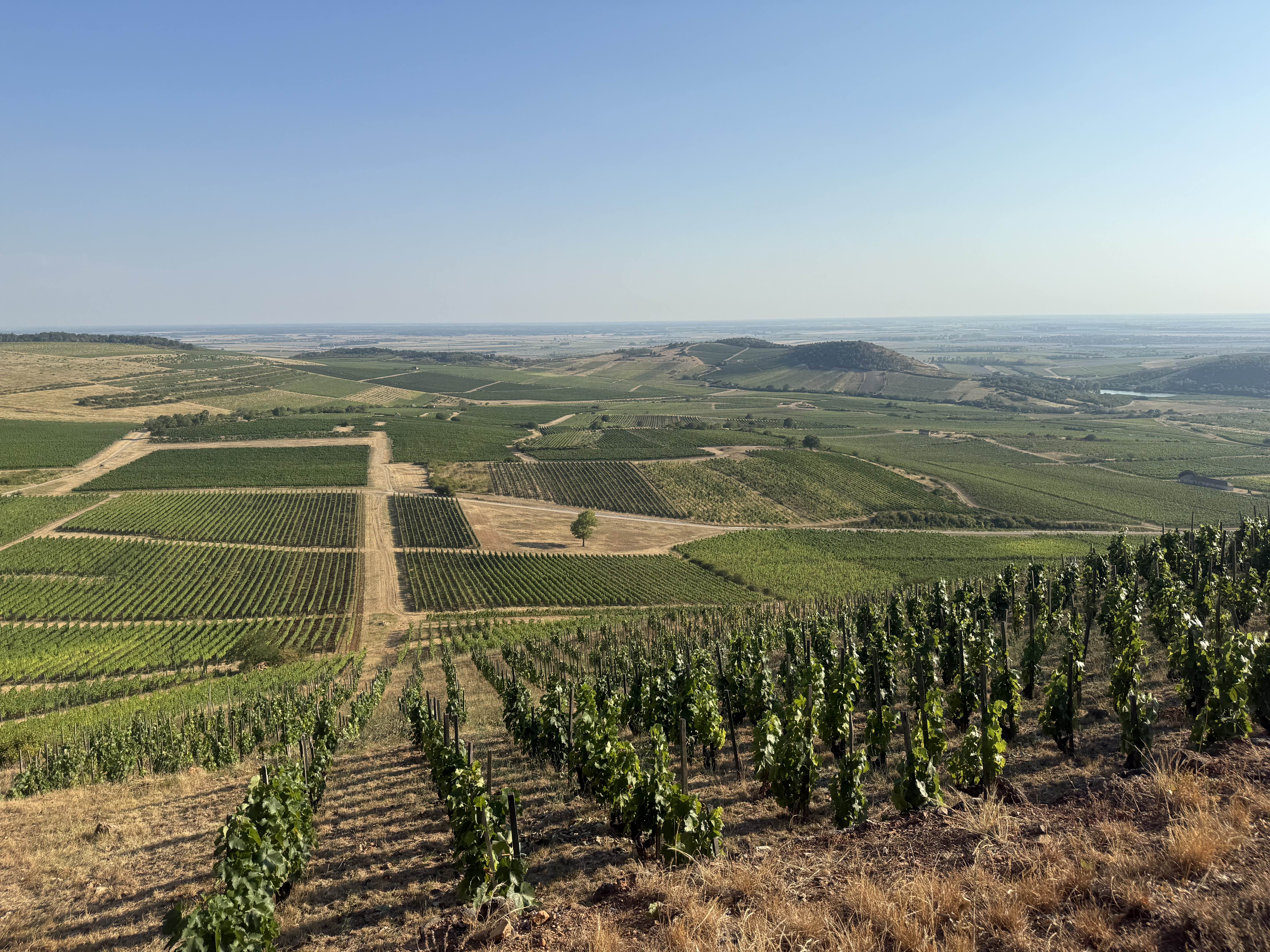
Tra questi cru storici figura Öreg Király-dűlő, il “Vigneto del Vecchio Re”, uno dei siti più prestigiosi dell’intero Tokaj. È proprio qui che oggi opera Barta Pince, azienda che ha restituito vita a un patrimonio viticolo rimasto per decenni quasi dimenticato.
Le vigne occupano ripidi pendii esposti a sud e sud-ovest, costantemente accarezzati dalla luce e ben ventilati dalle correnti che attraversano la valle. Il sottosuolo racconta, invece, la storia geologica della regione. Tufo riolitico, zeoliti e argille nate dall’antica attività vulcanica costituiscono un mosaico minerale che imprime ai vini tensione, eleganza e una sorprendente capacità di evolvere nel tempo.
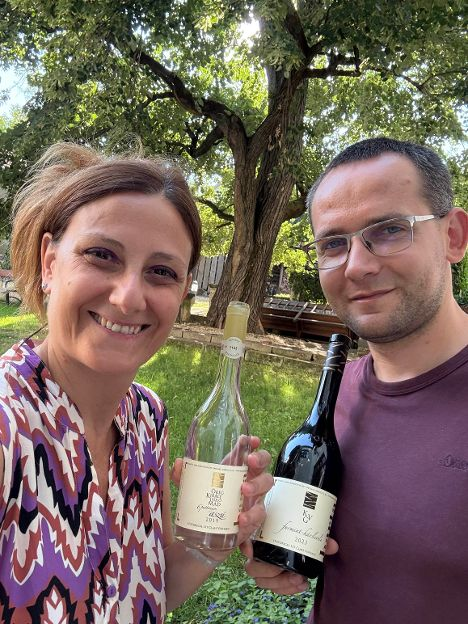
A guidare la visita è Ádám Tóth, ventotto anni, preparato, appassionato e generoso nel condividere il proprio sapere. L’itinerario non si limita alla cantina, ma conduce anche tra i vigneti, dove ogni spiegazione prende forma direttamente sul terreno. La competenza tecnica si accompagna a una rara capacità divulgativa, trasformando la visita in un autentico racconto.
La struttura offre inoltre la possibilità di soggiornare in tre spaziose camere ricavate nell’antica proprietà. Due conservano ancora eleganti soffitti affrescati che testimoniano la storia della dimora e contribuiscono a rendere l’esperienza ancora più immersiva.
La degustazione dimostra immediatamente come, in questi luoghi, il tempo rappresenti un ingrediente fondamentale tanto quanto il suolo.

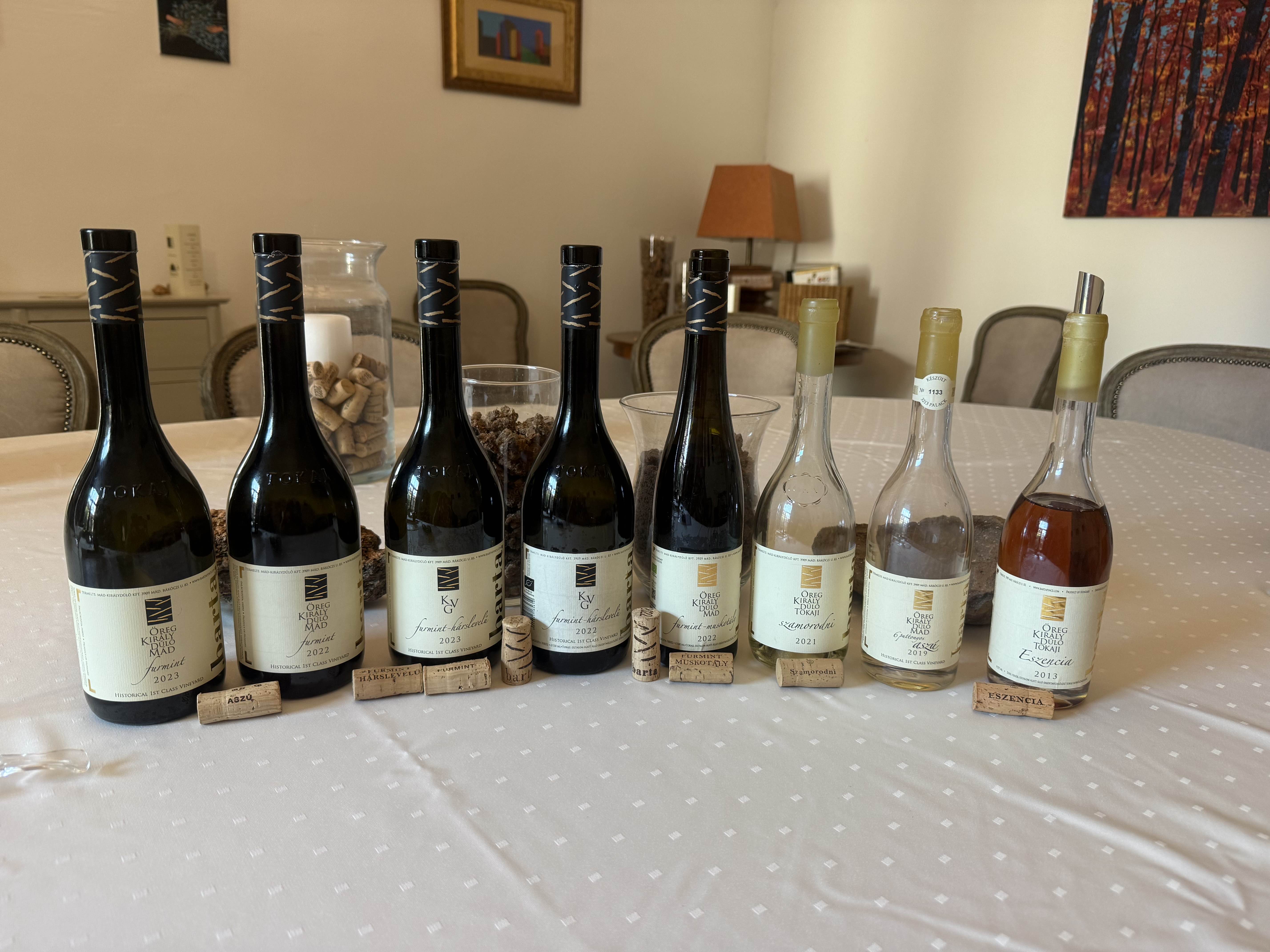
Il primo confronto riguarda lo Öreg Király-dűlő Mád Furmint, proposto nelle annate 2023 e 2022.
Il 2023, dal luminoso colore giallo paglierino, esprime il volto più immediato del Furmint. Il profilo olfattivo appare delicatamente fruttato, con richiami maturi ma mai eccessivi, mentre il sorso scorre con naturalezza sostenuto da una piacevole freschezza. Il finale lascia una raffinata nota di mandorla che prolunga la persistenza senza appesantire il palato.
Il 2022 racconta, invece, una personalità differente. Il colore acquista una tonalità leggermente più intensa, gli aromi si ampliano e la bocca rivela una maggiore profondità. Il vino appare più complesso, più stratificato e già capace di lasciare intuire un’evoluzione destinata a proseguire negli anni.
Il viaggio continua con il KVG Furmint-Hárslevelű, anch’esso degustato nelle annate 2023 e 2022.
Nel 2023 prevalgono precisione, immediatezza ed equilibrio, mentre il 2022 mostra un profilo decisamente più profondo, nel quale la maggiore maturità delle uve e l’affinamento restituiscono una struttura più articolata. L’Hárslevelű accompagna il Furmint con eleganza, ammorbidendone naturalmente il carattere senza privarlo della consueta vivacità.
Con lo Öreg Király-dűlő Furmint-Muskotály Late Harvest 2022 si entra nel mondo delle vendemmie tardive. La dolcezza non domina mai il sorso grazie a un’acidità perfettamente calibrata che accompagna il vino fino alla chiusura. Emergono albicocca matura, pesca sciroppata e leggere sfumature floreali che costruiscono un insieme armonioso, raffinato e sorprendentemente dinamico.
La tradizione più autentica del Tokaj trova espressione nello Öreg Király-dűlő Tokaji Szamorodni 2021. Il termine Szamorodni, derivato dal polacco, significa “così come nasce” e identifica un vino ottenuto da grappoli raccolti senza separare gli acini perfettamente sani da quelli naturalmente interessati dalla Botrytis cinerea, la cosiddetta muffa nobile. Il colore si fa più intenso, con eleganti riflessi dorati. Al naso si distinguono scorza d’arancia candita, noce, miele e leggere note speziate, mentre il palato conserva una freschezza che rende questo vino sorprendentemente versatile, capace di accompagnare non soltanto i tradizionali formaggi erborinati ma anche piatti speziati e preparazioni della cucina orientale.

Il vertice della degustazione è rappresentato dallo Öreg Király-dűlő Tokaji Aszú 6 Puttonyos 2019. Più che opulento, appare armonioso. Più che potente, profondamente elegante. La consistenza è vellutata, quasi cremosa, ma il sorso mantiene sempre una straordinaria tensione gustativa. Crema pasticcera, scorza di lime, menta balsamica e delicate sfumature speziate si rincorrono in una progressione che sembra non voler terminare. È uno di quei vini che non cercano di impressionare attraverso la concentrazione, ma conquistano per misura, equilibrio e raffinatezza.
La conclusione è affidata all’Eszencia 2013, una delle espressioni più rare e preziose dell’enologia mondiale. Ottenuta esclusivamente dal mosto che sgocciola spontaneamente dagli acini completamente botritizzati, possiede una concentrazione naturale di zuccheri straordinaria. Eppure ciò che sorprende maggiormente è la sua leggerezza. Le note di caramello, fico secco, dattero, miele di castagno e uva passa si fondono in un sorso di sorprendente finezza, nel quale la dolcezza non diventa mai pesantezza ma si trasforma in eleganza.
La visita a Barta Pince dimostra come il Tokaj non possa essere compreso limitandosi alla degustazione dei suoi vini. Prima ancora di entrare in cantina occorre comprendere il significato di quella parola, dűlő, che racchiude secoli di osservazione, esperienza e rispetto per la terra. È proprio da quel concetto che nasce l’identità di questa regione e la capacità di trasformare un paesaggio vulcanico in alcuni dei vini più affascinanti del mondo.
What Does Terroir Really Mean?
It is probably the most frequently used word in the language of wine. Yet in Tokaj there is a Hungarian term that expresses its meaning even more profoundly: dűlő.
Simply translating it as “vineyard” would be misleading. A dűlő is a cru—a unique site where geology, exposure, altitude, microclimate, and history combine to create an identity that cannot be reproduced elsewhere. It is not merely a parcel of land, but a landscape that, over the centuries, has proved capable of producing truly singular wines.
It is no coincidence that Tokaj was among the first wine regions in the world to establish a qualitative classification of its vineyards. As early as the eighteenth century, when much of Europe had yet to develop a true understanding of the concept of terroir, Tokaj was already ranking its dűlők according to their agronomic and oenological value, anticipating the famous French vineyard classifications by more than a century.
Among these historic crus is Öreg Király-dűlő, the “Old King’s Vineyard”, one of the most prestigious sites in the entire Tokaj region. It is here that Barta Pince has breathed new life into a remarkable viticultural heritage that had remained largely forgotten for decades.
The vineyards stretch across steep south- and south-west-facing slopes, bathed in sunlight and constantly ventilated by the breezes that sweep through the valley. Beneath the vines lies the geological story of Tokaj itself: rhyolite tuff, zeolites, and volcanic clays form a mineral mosaic that gives the wines their tension, elegance, and remarkable ageing potential.
Guiding visitors through this remarkable landscape is Ádám Tóth, just twenty-eight years old, whose knowledge, enthusiasm, and generosity make the experience especially rewarding. The tour extends well beyond the cellar, leading into the vineyards where every explanation begins with the soil itself. His technical expertise is matched by an exceptional ability to communicate, transforming a guided visit into a compelling narrative of the land.
Guests may also stay in one of the estate’s three spacious rooms, two of which still preserve beautifully frescoed ceilings that reflect the history of the residence and add further depth to the experience.
The tasting immediately reveals that, in Tokaj, time is every bit as important an ingredient as the soil itself.
The journey begins with two vintages of Öreg Király-dűlő Mád Furmint.
The 2023 vintage, with its brilliant straw-yellow colour, presents the most youthful expression of Furmint. The nose is delicately fruity, with ripe yet restrained aromas, while the palate flows effortlessly, supported by vibrant freshness. A refined almond note lingers on the finish, extending the wine’s persistence without ever becoming heavy.
The 2022 tells a different story. Its colour is slightly deeper, the bouquet broader and more layered, while the palate gains remarkable depth and complexity. More structured and multidimensional, it already hints at an evolution that promises to continue gracefully over many years.
The tasting continues with KVG Furmint-Hárslevelű, also presented in both the 2023 and 2022 vintages.
The 2023 stands out for its precision, freshness, and immediate appeal, while the 2022 reveals a deeper personality, where greater fruit maturity and careful ageing create a more intricate structure. Here, Hárslevelű gently softens Furmint’s naturally firm character without diminishing its vibrant energy.
With the Öreg Király-dűlő Furmint-Muskotály Late Harvest 2022, the journey enters the world of late-harvest wines. Sweetness never overwhelms the palate thanks to beautifully balanced acidity that carries the wine from beginning to end. Ripe apricot, poached peach, and delicate floral nuances come together in a wine that is harmonious, refined, and surprisingly vibrant.
Tokaj’s most authentic tradition emerges in the Öreg Király-dűlő Tokaji Szamorodni 2021. The word Szamorodni, derived from Polish, means “as it comes” and refers to a wine made from bunches harvested without separating perfectly healthy berries from those naturally affected by Botrytis cinerea, the so-called noble rot. The colour deepens into luminous gold, while the bouquet unfolds with candied orange peel, walnut, honey, and subtle spice. On the palate, remarkable freshness balances the wine beautifully, making it far more versatile than expected—not only alongside traditional blue cheeses but also with spicy dishes and many Asian cuisines.
The pinnacle of the tasting is undoubtedly the Öreg Király-dűlő Tokaji Aszú 6 Puttonyos 2019.

Rather than opulent, it is harmonious. Rather than powerful, profoundly elegant. Its texture is velvety, almost creamy, yet every sip remains vibrant and remarkably focused. Pastry cream, lime zest, balsamic mint, and delicate spices unfold in layers that seem endless. This is not a wine that seeks to impress through sheer concentration, but one that captivates through balance, precision, and extraordinary refinement.
The tasting concludes with the Eszencia 2013, one of the rarest and most precious expressions of the wine world. Produced exclusively from the free-run juice that slowly drips from fully botrytised berries under their own weight, it possesses an extraordinary natural concentration of sugars. Yet what astonishes most is its ethereal lightness. Notes of caramel, dried fig, date, chestnut honey, and raisin merge into a wine of remarkable finesse, where sweetness never becomes heaviness but is transformed into pure elegance.
A visit to Barta Pince demonstrates that Tokaj cannot truly be understood simply by tasting its wines. Before entering the cellar, one must first understand the meaning of a single word: dűlő. It embodies centuries of observation, experience, and respect for the land. From this concept springs the very identity of Tokaj and its extraordinary ability to transform a volcanic landscape into some of the world’s most fascinating wines.