Szepsy, il Tokaj che si racconta dal dűlő al cucchiaino
A Mád l’Eszencia si assaggia con un cucchiaino. Prima di arrivare a quelle poche gocce, però, bisogna attraversare i vigneti, conoscere i vini e ascoltare una famiglia che da secoli lega il proprio nome a Tokaj.
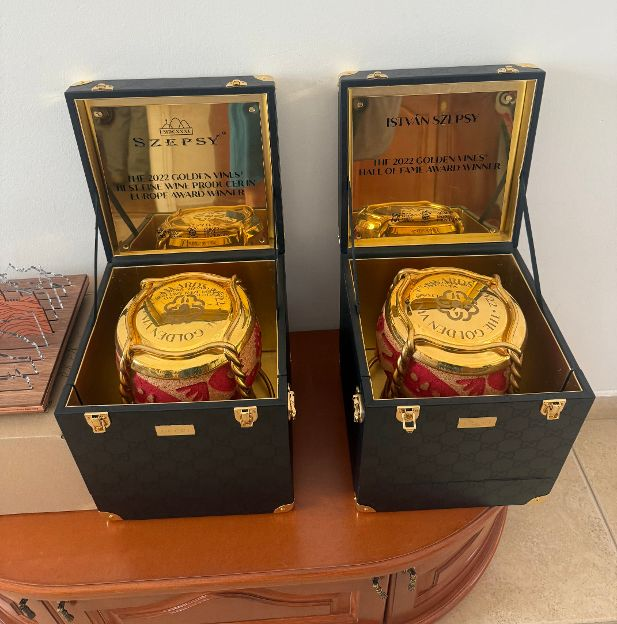
Il cognome Szepsy appartiene alla storia vitivinicola della regione fin dal XVI secolo. È rimasto mentre Tokaj cambiava volto: dai grandi vini dolci celebrati in Europa agli anni in cui la produzione privilegiò la quantità, fino alla riscoperta della qualità e dei singoli vigneti. In questa rinascita István Szepsy ha avuto un ruolo decisivo. Ha continuato a cercare l’eccellenza nell’Aszú e, nello stesso tempo, ha mostrato quante storie potesse raccontare il Furmint secco.
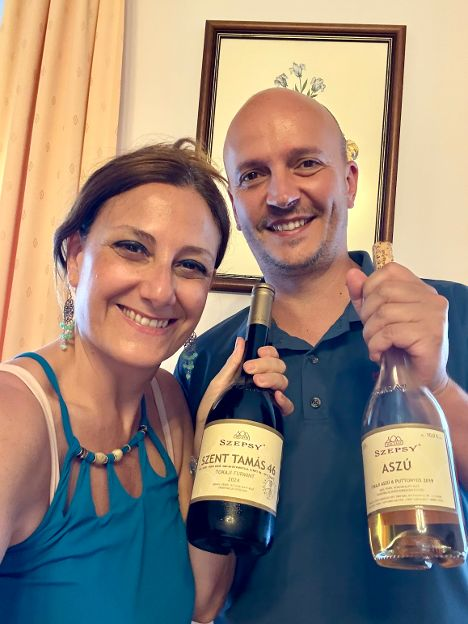
Oggi ad accogliere in cantina è il figlio, István Szepsy Jr. Il passaggio fra le generazioni si riconosce nel modo in cui conduce la degustazione: non parte dal vino più raro, né da quello più celebre. Comincia dai secchi e lascia che siano loro a presentare Mád. Solo alla fine arriverà l’Eszencia.
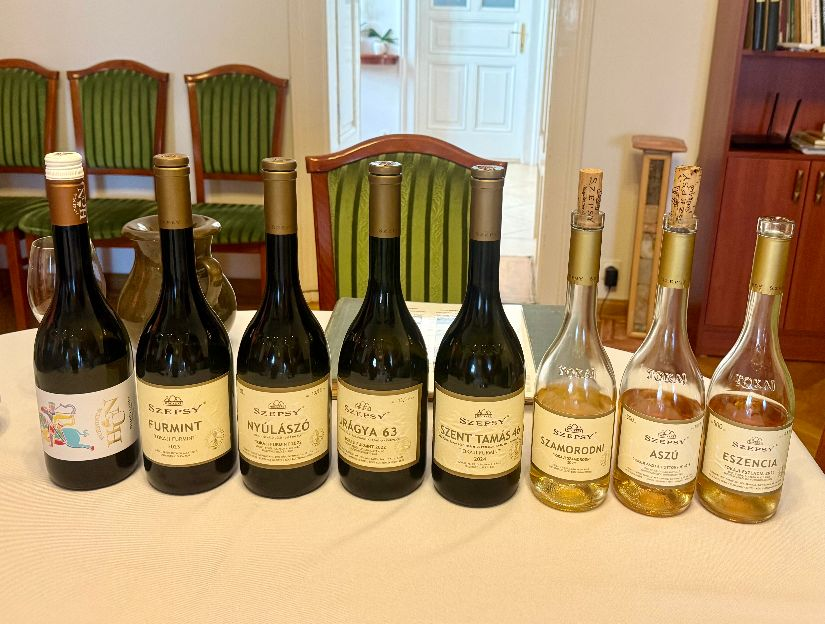
Qui i vigneti hanno un nome proprio: dűlő. Nyúlászó, Úrágya, Szent Tamás. Terreni, esposizioni e altitudini differenti, che il Furmint traduce in vini capaci di mantenere una somiglianza di famiglia senza perdere la propria voce. Le bottiglie, una accanto all’altra, sembrano comporre una carta del territorio.
HUN apre il percorso con freschezza e immediatezza. È il primo passo, quello che dispone all’ascolto prima che le differenze fra i vigneti diventino più evidenti.
Nel Furmint 2023 l’acidità dà ritmo al sorso. Il frutto è nitido, la componente minerale accompagna il finale e il legno rimane discreto. Si riconosce il vitigno, ma si intuisce già che non basterà pronunciare il suo nome per descrivere i vini successivi.
Il Nyúlászó Furmint 2022 acquista ampiezza. Il frutto appare più maturo, mentre la freschezza mantiene il sorso vivo e disteso. È il primo vino che invita a spostare l’attenzione dall’uva alla terra in cui è cresciuta.
L’Úrágya 63 Furmint 2022 cambia passo: maggiore struttura, frutto più articolato, una componente minerale marcata. L’acidità attraversa il vino e lo accompagna fino a un finale lungo. Il numero in etichetta restringe ulteriormente lo sguardo, dal vigneto a una sua selezione.
Nel Szent Tamás 46 Furmint 2024 si avverte l’energia di un’annata giovane. Il frutto è immediato, l’acidità incisiva, il sorso teso. Dopo Úrágya, le differenze diventano impossibili da ignorare. Lo stesso vitigno ha cambiato accento ancora una volta.
È questo il momento in cui la parola dűlő smette di richiedere una spiegazione. Nyúlászó, Úrágya e Szent Tamás hanno parlato attraverso i vini. Il Furmint ha dato loro una lingua comune; ciascun luogo l’ha usata a modo proprio.
Poi la degustazione entra nel territorio della muffa nobile. La Botrytis cinerea, quando si sviluppa nelle condizioni adatte, favorisce la perdita d’acqua degli acini e concentra zuccheri, acidità e aromi. Cambia il frutto e cambia il tempo necessario per raccoglierlo, selezionarlo e trasformarlo.
Lo Szamorodni 2021 nasce da grappoli nei quali convivono acini sani e acini botritizzati. Il frutto si fa più concentrato, la dolcezza cresce, ma l’acidità conserva slancio. È il vino di passaggio fra la lettura dei vigneti attraverso i Furmint secchi e la tradizione dolce che ha reso Tokaj famoso nel mondo.
Quella tradizione custodisce una storia raccontata da secoli. Secondo la leggenda, nel 1631 il pastore calvinista Szepsi Laczkó Máté preparò un Aszú con uve del vigneto Oremus per Zsuzsanna Lorántffy. Un documento menziona però l’Aszú già nel 1571. La leggenda non ne racconta dunque la nascita: racconta quanto profondamente questo vino sia entrato nella memoria di Tokaj.
Nel Tokaji Aszú 6 Puttonyos 2019 gli acini botritizzati, selezionati singolarmente, restituiscono un vino ricco e luminoso. Il colore tende all’oro; nel bicchiere emergono albicocca, agrumi, miele e frutta disidratata. La dolcezza avvolge il palato, ma l’acidità le impedisce di fermarsi: il sorso continua, si allunga, lascia desiderio di tornare.
Infine arriva l’Eszencia 2021.
Per ottenerla, gli acini botritizzati vengono raccolti separatamente. Da essi fuoriesce senza pressatura, sotto il loro stesso peso, una quantità minima di succo. Gli zuccheri sono così concentrati che la fermentazione procede con estrema lentezza e l’alcol rimane contenuto.
Il cucchiaino ne raccoglie poche gocce. Miele, albicocca e frutta disidratata si intrecciano a note più scure; la consistenza è quasi tattile. Poi arriva l’acidità, inattesa per chi immagina soltanto dolcezza, e dà respiro all’assaggio. Si aspetta prima di cercarne ancora: anche questo tempo fa parte dell’Eszencia.
Il percorso iniziato con i Furmint secchi finisce così in un gesto piccolissimo. Ha attraversato Mád, i nomi dei suoi vigneti, la selezione degli acini e la lunga tradizione dei vini botritizzati. Szepsy tiene insieme queste storie senza chiedere a una di cancellare l’altra.
Alla fine resta il cucchiaino. Vuoto, ormai. Ma il sapore continua a raccontare Tokaj.
In Mád, Eszencia is tasted from a spoon. But before reaching those few drops, there are vineyards to explore, wines to discover and the story of a family whose name has been tied to Tokaj for centuries.
The Szepsy name has belonged to the region’s winemaking history since the sixteenth century. It has endured as Tokaj changed: from the great sweet wines once celebrated across Europe, through years when production favoured quantity, to the rediscovery of quality and individual vineyards. István Szepsy has played a decisive role in that revival. He continued to pursue excellence in Aszú while showing how many stories dry Furmint could tell.
Today it is his son, István Szepsy Jr., who welcomes visitors to the winery. The link between generations is reflected in the way he leads the tasting. He does not begin with the rarest or most famous wine. He starts with the dry wines and lets them introduce Mád. Eszencia will come only at the end.
Here, vineyards have names of their own: dűlő. Nyúlászó, Úrágya, Szent Tamás. Their soils, exposures and elevations differ, and Furmint translates those differences into wines that share a family resemblance while retaining distinct voices. Set side by side, the bottles seem to form a map of the region.
HUN opens the tasting with freshness and immediacy. It is a first step, preparing the palate before the differences between the vineyards become more apparent.
In the Furmint 2023, acidity sets the pace. The fruit is clear, mineral notes carry through to the finish and the oak remains discreet. The grape is recognisable, but it soon becomes clear that naming the variety alone will not be enough to describe the wines that follow.
The Nyúlászó Furmint 2022 has more breadth. The fruit seems riper, while freshness keeps the palate lively and flowing. It is the first wine that invites attention to shift from the grape to the land where it grew.
The Úrágya 63 Furmint 2022 changes pace: greater structure, more layered fruit and a pronounced mineral character. Acidity runs through the wine and carries it to a long finish. The number on the label narrows the focus further, from the vineyard to a selection within it.
In the Szent Tamás 46 Furmint 2024, the energy of a young vintage comes through. The fruit is immediate, the acidity incisive and the palate taut. After Úrágya, the differences are impossible to ignore. The same grape has changed its accent once again.
This is the moment when the word dűlő no longer needs explaining. Nyúlászó, Úrágya and Szent Tamás have spoken through the wines. Furmint has given them a common language; each place has used it in its own way.
The tasting then enters the world of noble rot. When Botrytis cinerea develops under the right conditions, it causes the berries to lose water, concentrating their sugars, acidity and aromas. The fruit changes, as does the time needed to harvest, select and transform it.
Szamorodni 2021 is made from bunches containing both healthy and botrytised berries. The fruit grows more concentrated and the sweetness increases, yet acidity keeps the palate lively. It marks the transition from the dry Furmints and their vineyards to the sweet-wine tradition that made Tokaj famous around the world.
That tradition carries a story told for centuries. According to legend, in 1631 the Calvinist pastor Máté Szepsi Laczkó made an Aszú from grapes grown in the Oremus vineyard for Zsuzsanna Lorántffy. Yet a document mentions Aszú as early as 1571. The legend does not describe the wine’s birth; it shows how deeply Aszú has entered Tokaj’s memory.
In the Tokaji Aszú 6 Puttonyos 2019, individually selected botrytised berries yield a rich, luminous wine. Its colour tends towards gold; apricot, citrus, honey and dried fruit emerge in the glass. Sweetness envelops the palate, but acidity keeps it moving. The finish lingers and leaves a desire to return for another taste.
Finally comes the Eszencia 2021.
To make it, botrytised berries are harvested separately. A minute amount of juice seeps from them without pressing, released by their own weight. The sugars are so concentrated that fermentation proceeds extremely slowly and the alcohol level remains low.
The spoon holds just a few drops. Honey, apricot and dried fruit meet darker notes; the texture is almost tactile. Then comes the acidity, unexpected for anyone anticipating sweetness alone, bringing freshness to the taste. You pause before asking for more. That pause, too, is part of Eszencia.
The journey that began with dry Furmint ends in the smallest of gestures. It has crossed Mád, the named vineyards, the selection of individual berries and the long tradition of botrytised wines. Szepsy holds these stories together without asking one to erase the other.
At the end, the spoon remains. Empty now. But the taste goes on telling Tokaj’s story.